
Why It's Important to be Familiar with Towing Services
Vehicle problems can happen unexpectedly, leaving drivers uncertain about what to do next. A flat tire, mechanical failure, dead battery, or accident can interrupt an ordinary trip and create stressful circumstances. While routine vehicle maintenance helps reduce certain risks, it cannot prevent every roadside emergency. Understanding the services available when a vehicle becomes disabled can help drivers respond more confidently and make informed decisions. Familiarity with towing providers is especially valuable because transportation assistance may be necessary when a vehicle cannot be driven safely. Knowing what different services involve, how to request assistance, and what information to provide can make an unexpected situation easier to manage.
1. Preparing for Unexpected Vehicle Breakdowns
Mechanical problems can develop without much warning, even when drivers follow recommended maintenance schedules. Engine overheating, transmission problems, and electrical failures may prevent a vehicle from operating normally. When these situations occur away from home, motorists must determine whether continuing to drive could create additional damage or safety concerns. Knowing which roadside services are available provides a starting point for making that decision.
Drivers who research local service providers in advance can avoid searching for assistance under stressful conditions. Saving contact information and understanding available service areas can make requesting help more convenient. It is also useful to know whether a provider handles different vehicle sizes and types. Preparing ahead of time helps motorists respond efficiently when unexpected mechanical problems interrupt their travel plans.
2. Improving Safety During Roadside Emergencies
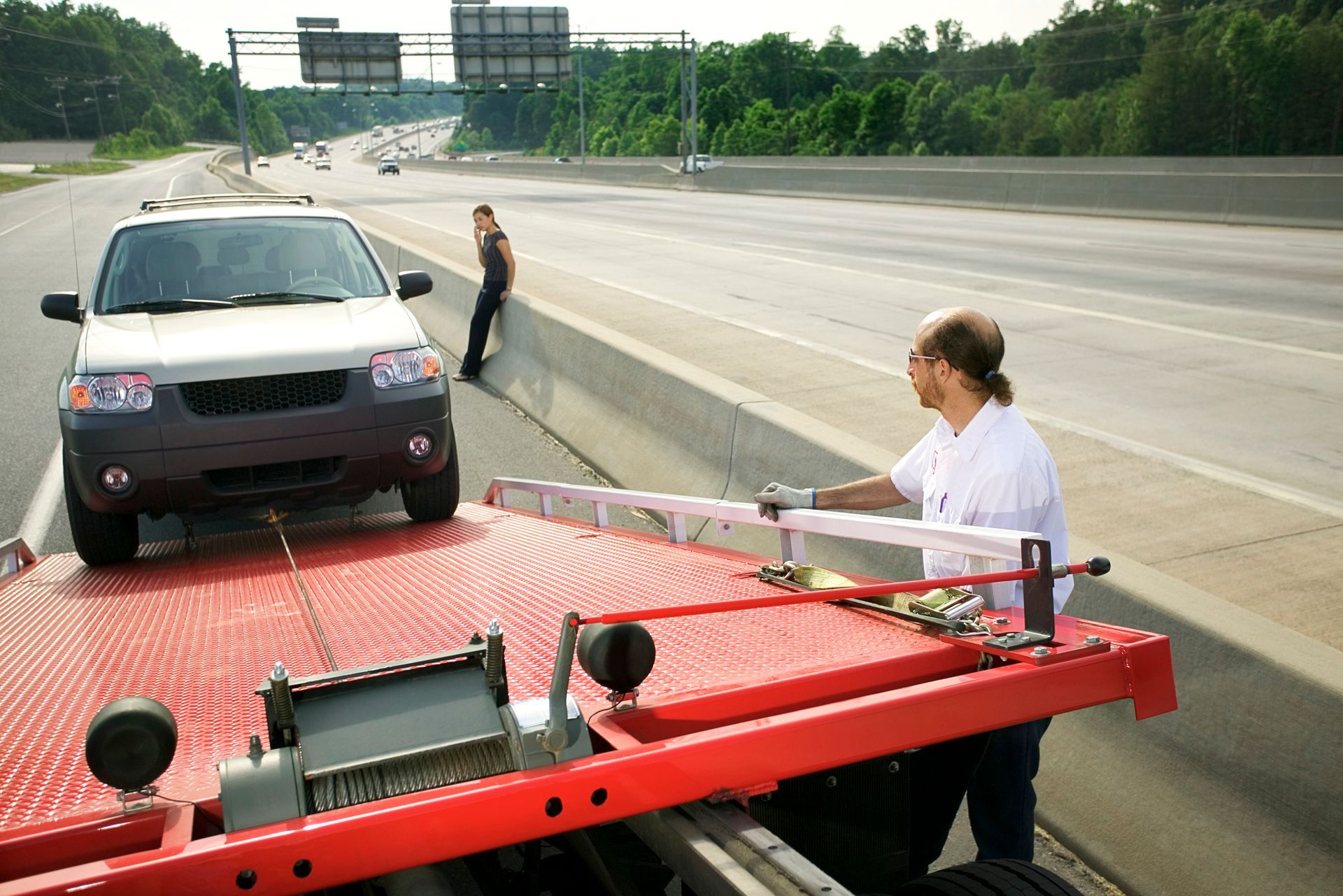
A disabled vehicle can create dangerous conditions, particularly along highways, busy intersections, or poorly illuminated roads. Other motorists may have limited time to react when approaching a stopped vehicle. Drivers should prioritize personal safety by moving to a secure location when possible, activating hazard lights, and following appropriate roadside safety guidance. Remaining aware of traffic conditions is essential while waiting for assistance.
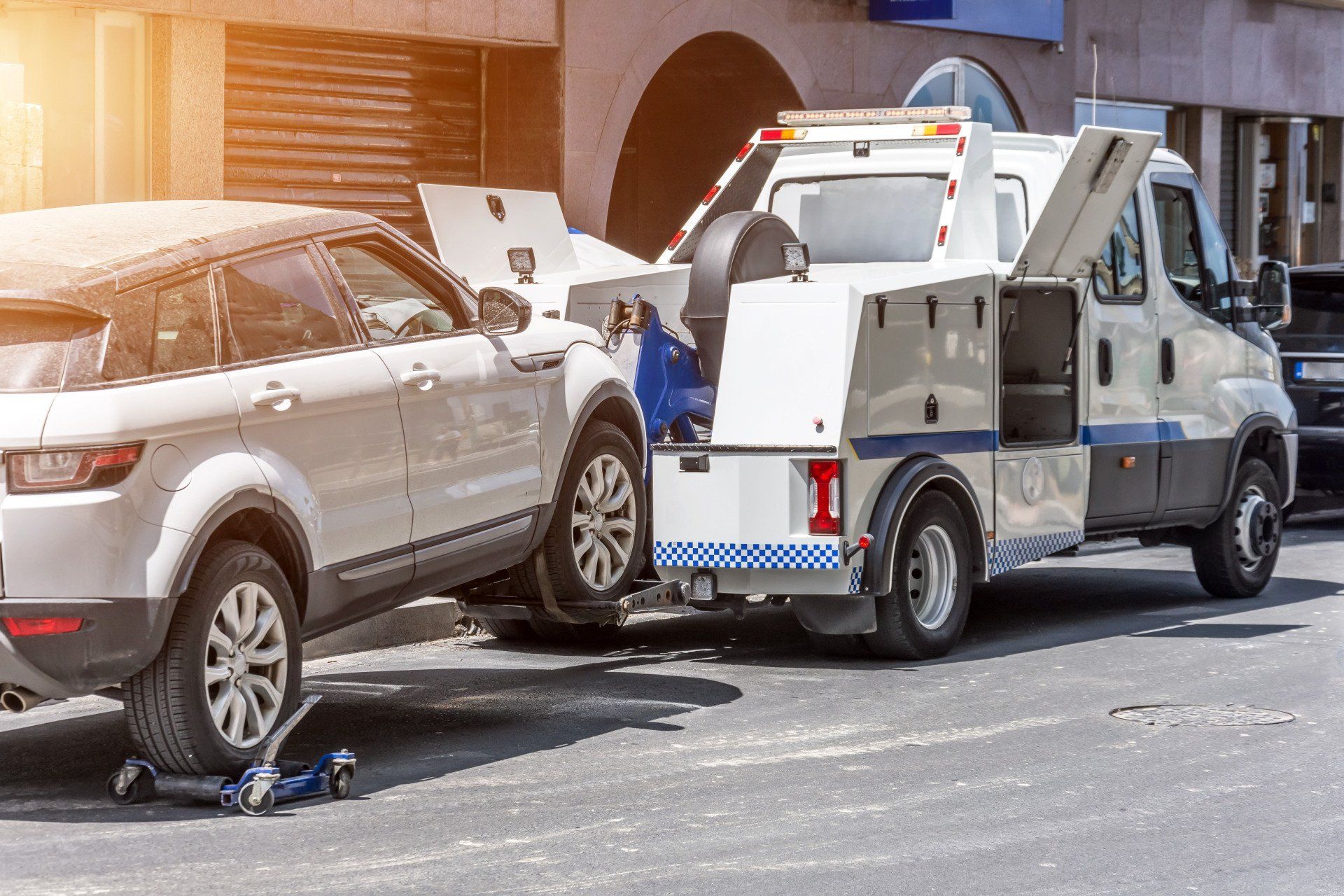
Professional towing services can help remove disabled vehicles from locations where they may obstruct traffic or create additional hazards. Operators use specialized equipment and established procedures to prepare vehicles for transportation. Drivers should avoid standing near moving traffic or attempting complicated roadside repairs in unsafe conditions. Understanding when professional assistance is appropriate helps motorists prioritize safety and reduce unnecessary exposure to roadside dangers.
3. Understanding Different Vehicle Transportation Options
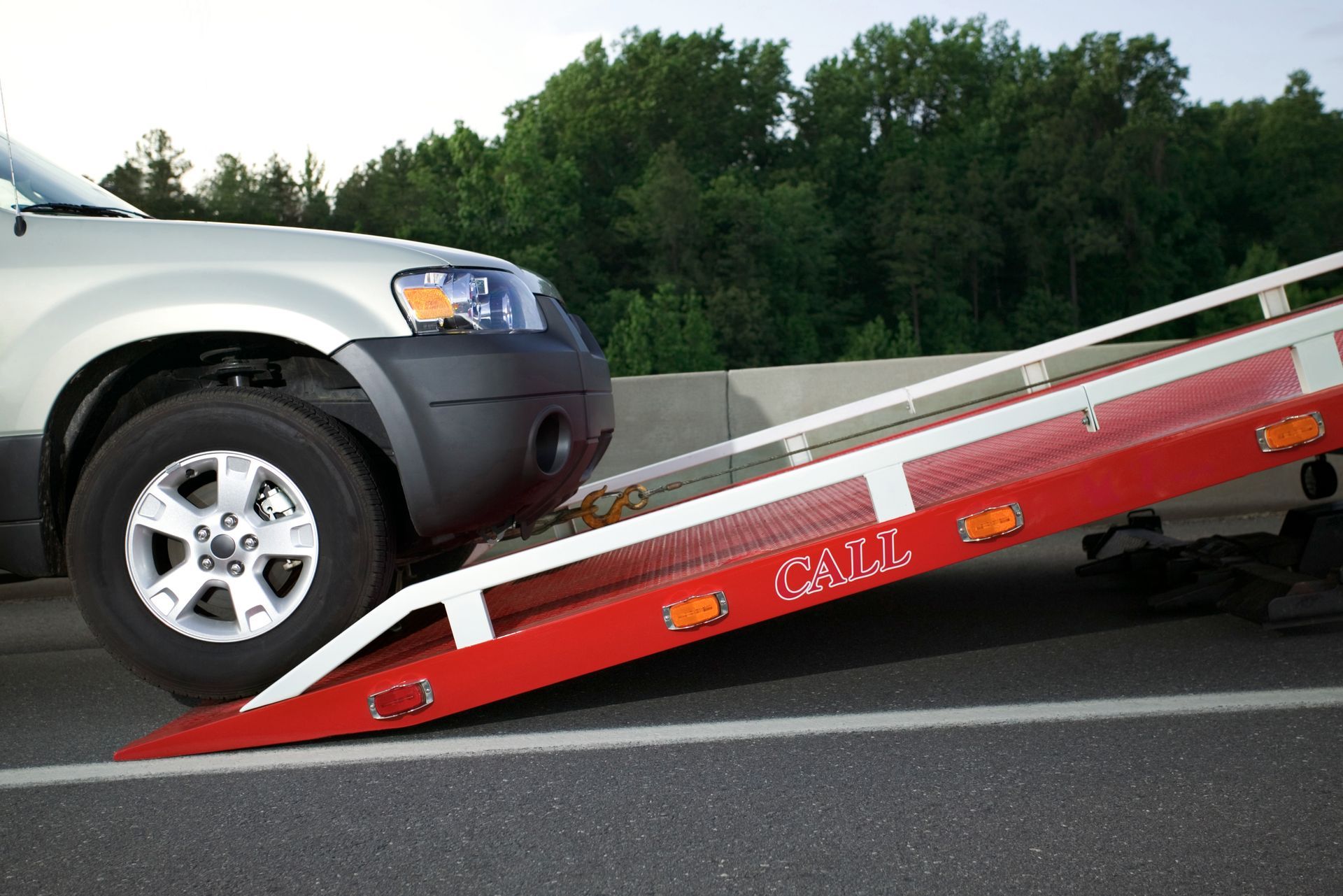
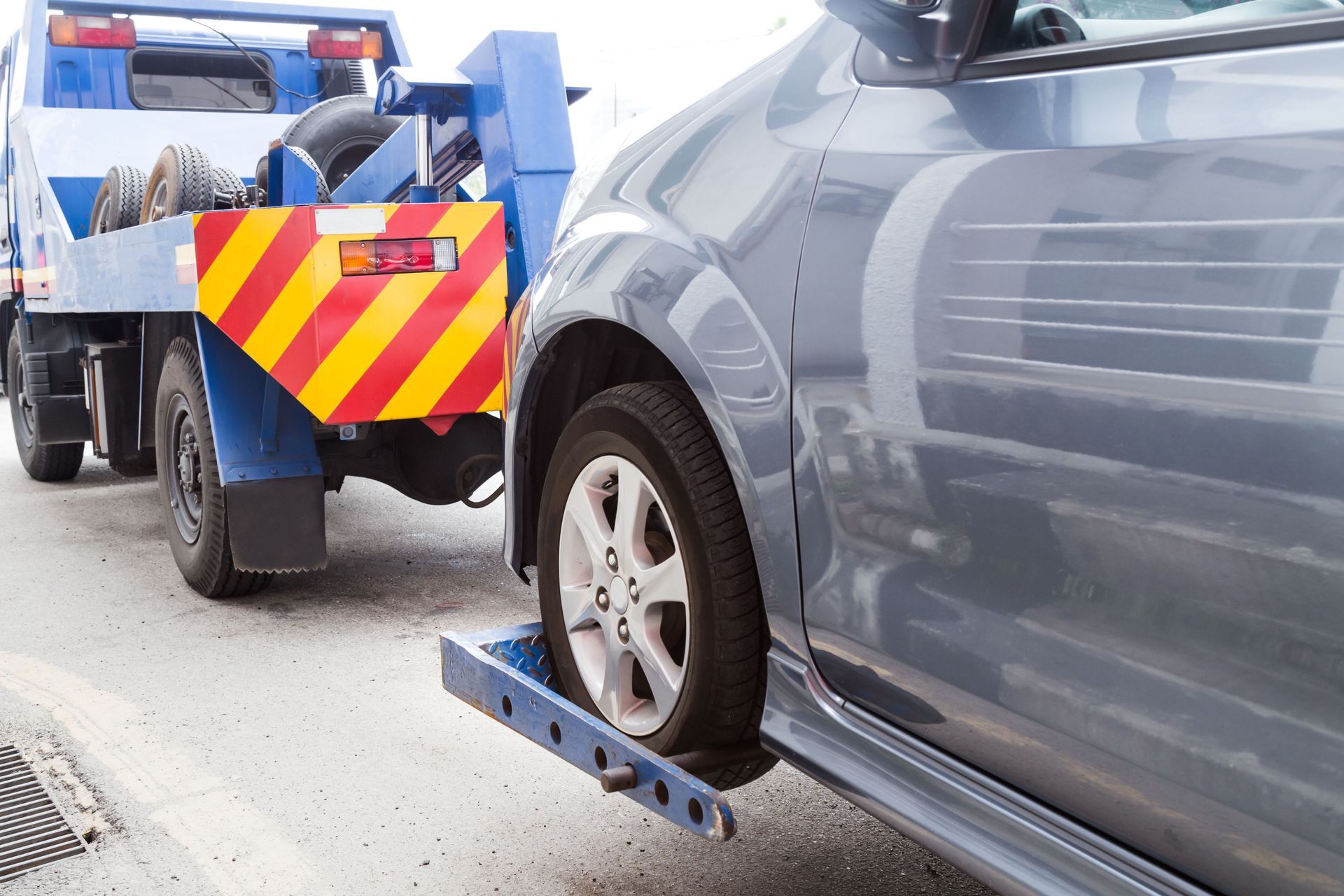
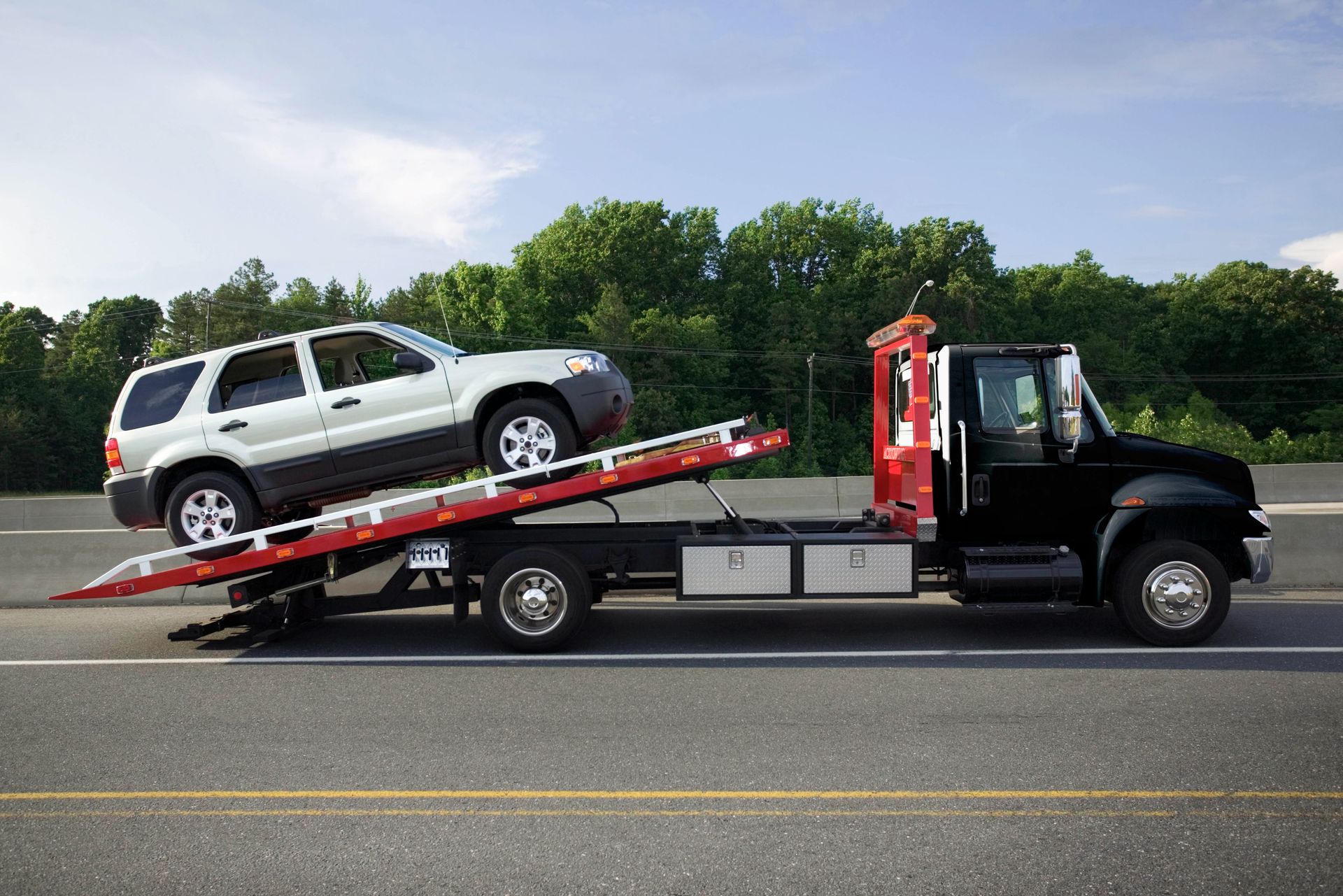
Not every disabled vehicle requires the same transportation method. The appropriate equipment depends on vehicle weight, drivetrain configuration, ground clearance, and mechanical condition. Flatbed trucks transport vehicles with all wheels supported on a platform, while wheel-lift equipment raises part of the vehicle during transportation. Certain situations may require specialized equipment for motorcycles, larger vehicles, or automobiles with significant damage.
Familiarity with towing options helps drivers communicate their needs when requesting service. A vehicle with damaged wheels or suspension components may require a different approach than one experiencing engine failure. Providing accurate information allows dispatchers to determine which equipment may be suitable. Understanding these distinctions can reduce delays and help protect vehicles from avoidable damage during loading and transportation.
4. Responding Effectively After Vehicle Accidents
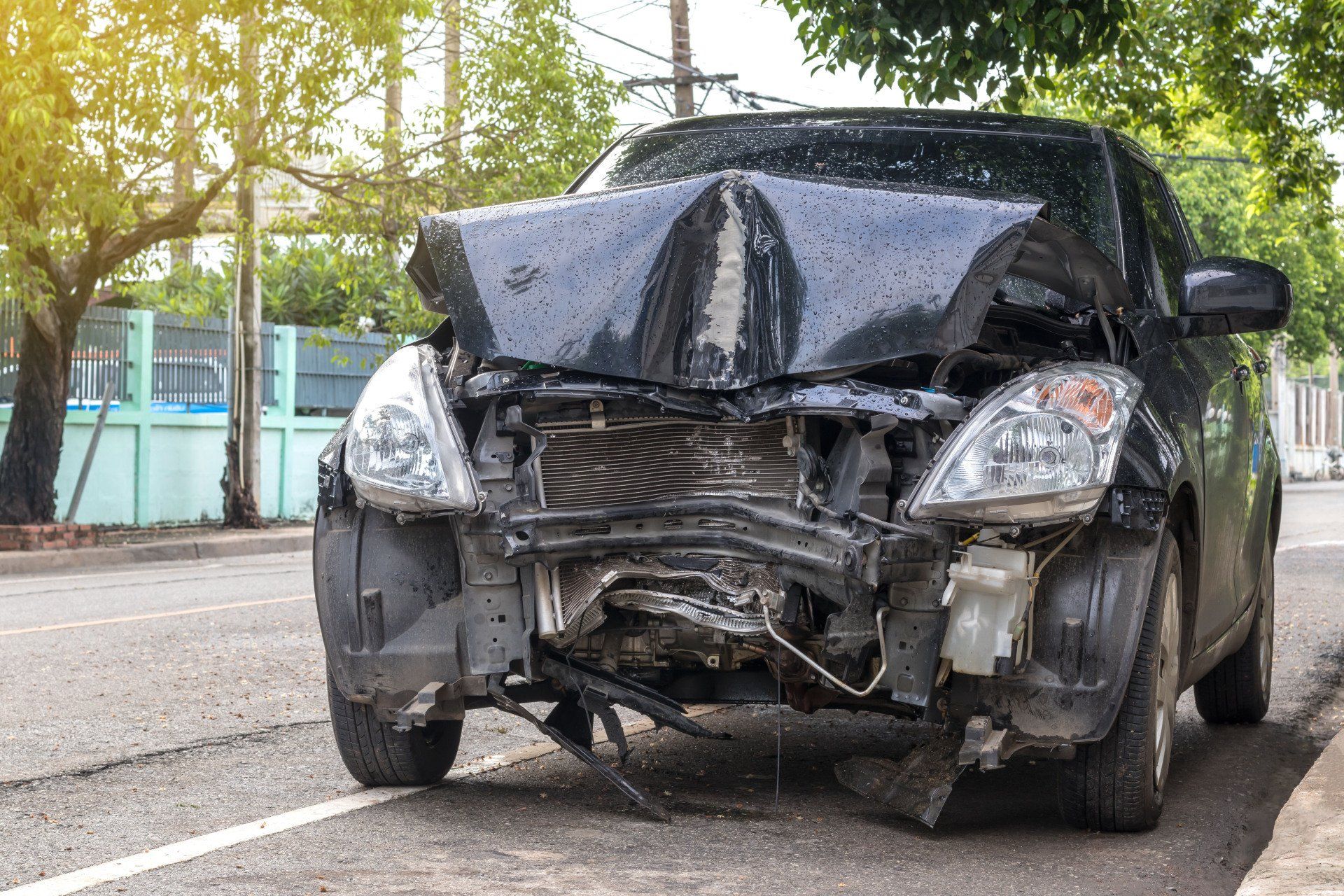
Traffic accidents can leave vehicles damaged or unsafe to operate. Even when a vehicle appears drivable, hidden problems involving steering, suspension, tires, or fluid systems may affect its condition. Drivers should follow applicable accident-reporting requirements, seek emergency assistance when necessary, and avoid moving seriously damaged vehicles unless directed by appropriate authorities. Once immediate safety concerns have been addressed, transportation arrangements may become necessary.
Knowing how towing providers assist after accidents can make recovery more manageable. Drivers may need to arrange transportation to a repair facility, storage location, or another approved destination. Insurance policies and local regulations can influence available options. Understanding these considerations beforehand helps motorists ask relevant questions and coordinate vehicle recovery without making rushed decisions during an already stressful situation.
5. Recognizing the Value of Roadside Assistance
Some vehicle problems can be resolved without transporting the automobile elsewhere. Depending on the provider, roadside assistance may include jump-starting a battery, changing a tire, delivering fuel, or helping with certain lockout situations. These services can be useful when a vehicle is otherwise operational and the problem can be addressed safely at its current location.
However, roadside assistance is not appropriate for every mechanical issue. A vehicle with severe overheating, leaking fluids, damaged steering components, or other significant problems may need professional transportation. Drivers should explain symptoms accurately rather than assuming a quick repair will resolve the concern. Understanding the difference between basic assistance and vehicle recovery helps motorists request suitable services while avoiding actions that could worsen existing damage.
6. Evaluating Service Availability and Response Times
Vehicle emergencies do not always happen during regular business hours. Drivers may experience problems early in the morning, late at night, or during weekends and holidays. Before an emergency occurs, it can be helpful to research providers that serve commonly traveled areas and determine whether assistance is available outside standard operating hours. Service coverage and operating schedules can vary considerably.
When requesting towing assistance, motorists should ask about estimated arrival times and communicate their location accurately. Traffic congestion, weather conditions, service demand, and travel distance may affect response times. Providing nearby landmarks, highway exit numbers, or precise location information can help dispatchers identify the vehicle. Knowing what to expect allows drivers to prepare appropriately while waiting for assistance.
7. Comparing Service Costs and Payment Expectations
Vehicle transportation costs can vary depending on distance, vehicle type, equipment requirements, and service circumstances. Additional charges may apply for after-hours assistance, difficult recovery situations, or vehicle storage. Because pricing structures differ among providers, drivers benefit from understanding common charges before an emergency occurs. Reviewing insurance coverage and roadside assistance memberships may also reveal available benefits.
Before authorizing towing, motorists can ask about applicable rates, potential additional fees, and accepted payment methods. They should also confirm the intended destination and any storage arrangements. Although final costs may depend on conditions discovered during recovery, clear communication can reduce misunderstandings. Keeping insurance information accessible helps drivers determine whether certain expenses may qualify for reimbursement.
8. Protecting Vehicles During Professional Transportation
Transporting a disabled vehicle requires appropriate equipment and careful handling. Improper loading, unsuitable attachment points, or inadequate securing procedures can contribute to damage. Modern automobiles may have manufacturer recommendations concerning drivetrain configurations, ground clearance, and acceptable recovery methods. These considerations become especially important when transporting vehicles with all-wheel-drive systems, low-profile bodywork, or existing mechanical damage.
Experienced operators understand the importance of selecting suitable equipment and following proper securing procedures. Drivers can help by explaining known mechanical problems and identifying modifications that may affect loading. Removing valuables and documenting existing visible damage may also be useful when circumstances allow. Asking questions about transportation methods helps motorists understand how their vehicles will be handled and where they will be delivered.
9. Building Confidence Through Advance Preparation
Preparing for roadside problems involves more than keeping emergency supplies inside a vehicle. Drivers should understand whom to contact, what information to provide, and how transportation arrangements generally work. Maintaining an accessible list of service contacts, insurance details, and preferred repair facilities can simplify decision-making. Sharing basic emergency procedures with other household drivers may further improve preparedness.
According to Look Up A Plate, approximately 55,000 vehicles require towing services across the United States each day. This figure illustrates how frequently motorists require professional vehicle transportation. Learning about towing services before an emergency can help drivers approach unexpected situations with greater confidence. Reviewing provider availability, service options, and payment expectations allows motorists to develop a practical plan for responding when their vehicles become disabled.
Understanding available roadside services is an important part of responsible vehicle ownership. Mechanical breakdowns, accidents, and other unexpected problems can leave motorists needing assistance at inconvenient times and locations. Familiarity with service providers, transportation methods, response expectations, and potential costs can make these situations easier to navigate. Preparing in advance also helps drivers communicate their needs clearly and avoid unnecessary confusion during emergencies. Whether a vehicle requires basic roadside assistance or professional transportation, choosing appropriate help supports safer decisions and better vehicle protection. Drivers should keep reliable contact information accessible and review their service options before problems arise. When you need dependable towing assistance or want to learn more about available roadside services, contact Dugonz Towing today.
Share On: