
5 Most Common Auto Towing Myths
Vehicle breakdowns and roadside emergencies can happen when you least expect them, leaving drivers feeling stranded and unsure of what steps to take next. In these stressful moments, having accurate information about roadside assistance and vehicle transport is essential for making safe decisions. Unfortunately, a vast amount of misinformation circulates among drivers regarding how vehicles are transported, what equipment is required, and how professional services operate. These misconceptions often cause unnecessary anxiety, delay proper assistance, or even lead vehicle owners to attempt dangerous maneuvers on their own.
Understanding the reality behind professional auto towing can save you time, protect your vehicle from damage, and ensure that you remain safe while waiting on the side of the road. Misunderstandings range from beliefs about vehicle damage to false ideas about weight limits and equipment capabilities. By separating fact from fiction, drivers can feel confident and prepared whenever they encounter an unexpected mechanical failure, flat tire, or accident.
1. Myth: Any Vehicle Can Tow Any Heavy Load
One of the most persistent misconceptions among drivers about auto towing is that as long as a vehicle has a hitch attached to the frame, it can pull virtually any trailer or secondary automobile. This assumption is not only incorrect, but it can also lead to severe mechanical failure or hazardous driving conditions. Every automobile manufacturer establishes strict maximum weight limits based on engine power, transmission capability, braking systems, suspension strength, and frame design. Exceeding these limits places extraordinary stress on the transmission, causes brakes to overheat, and compromises the steering control needed to safely navigate traffic and maintain lane stability.
Proper vehicle transport requires matching the gross vehicle weight rating with appropriate equipment to maintain stability on the highway. According to Kelley Blue Book, receiver hitches commonly installed on full-size vans, trucks, and SUVs can haul between roughly 5,000 and 10,000 pounds. Attempting to pull loads beyond designated parameters puts immense strain on the structural frame and creates dangerous sway at highway speeds. Drivers must always consult their owner manual or seek guidance from professional operators who understand weight distribution and towing package specifications before attempting to transport heavy equipment or other passenger vehicles on public roads.
2. Myth: Professional Transport Always Causes Vehicle Damage
Another widespread belief is that hooking a vehicle up to a transport truck inevitably results in body damage, bumper scratches, or transmission wear. While improper techniques from untrained individuals can certainly harm an automobile, certified professionals utilize modern equipment specifically designed to protect every component of your vehicle. Modern transport equipment has evolved significantly over the decades, moving away from rough hook-and-chain methods to sophisticated, gentle transport mechanisms.
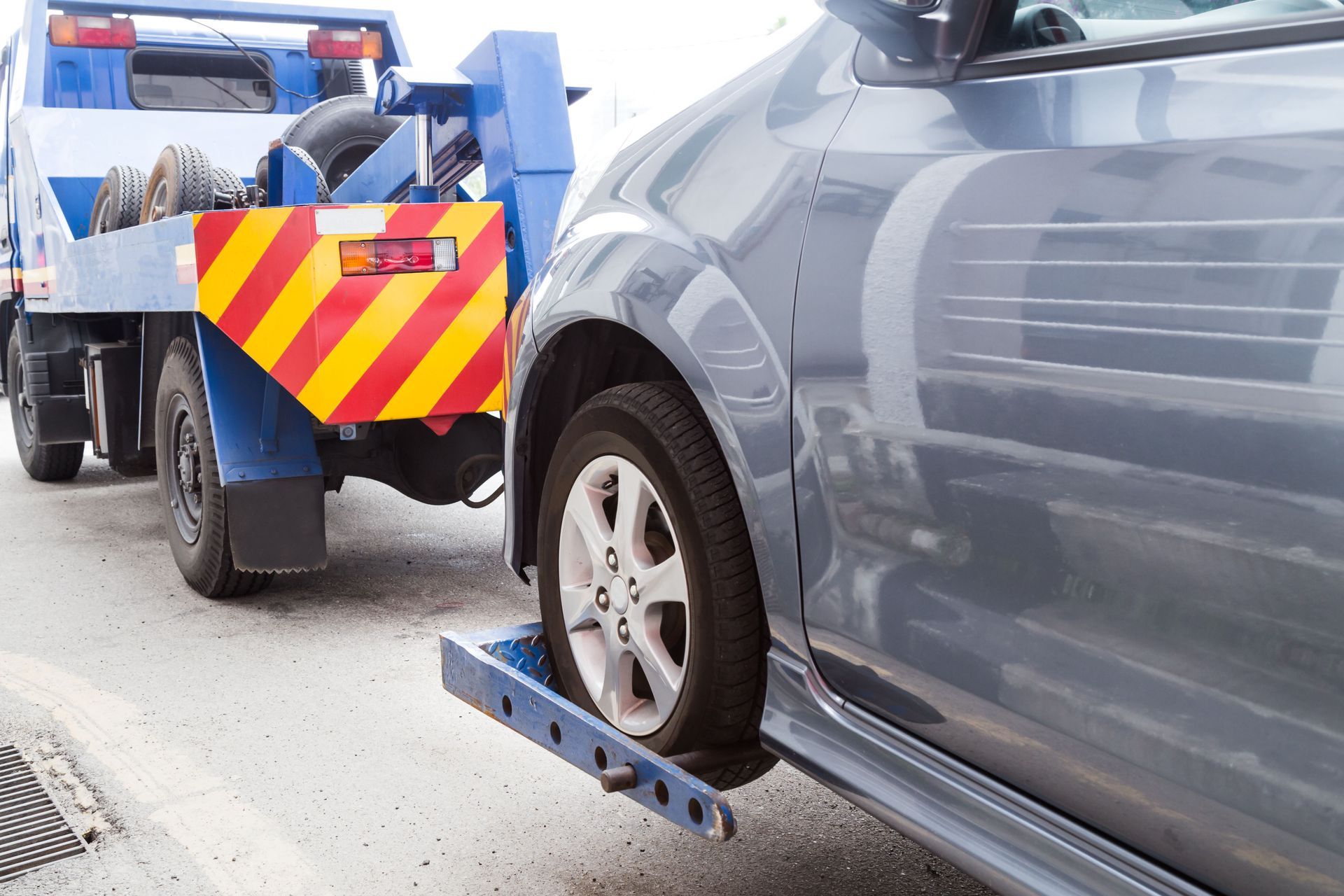
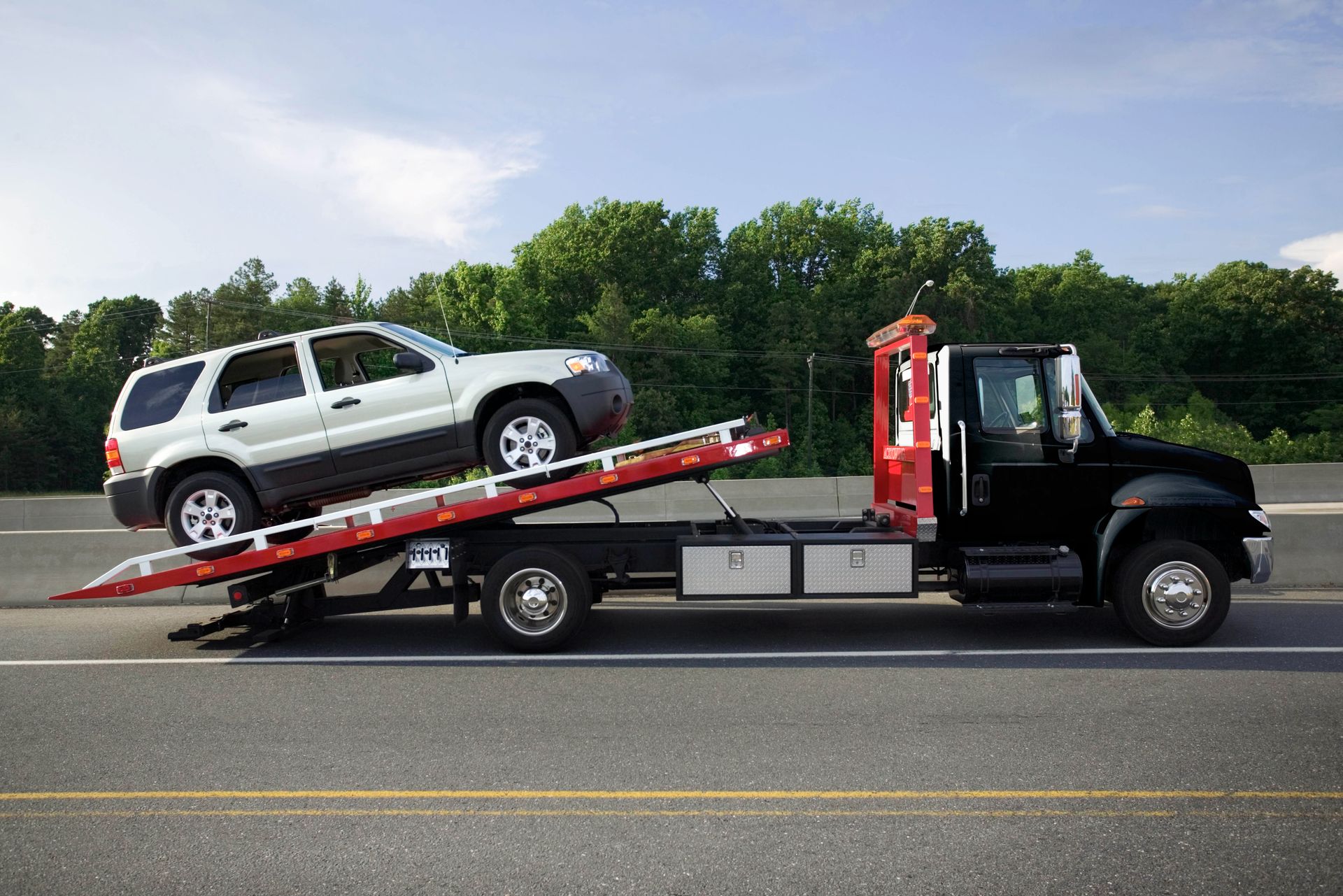
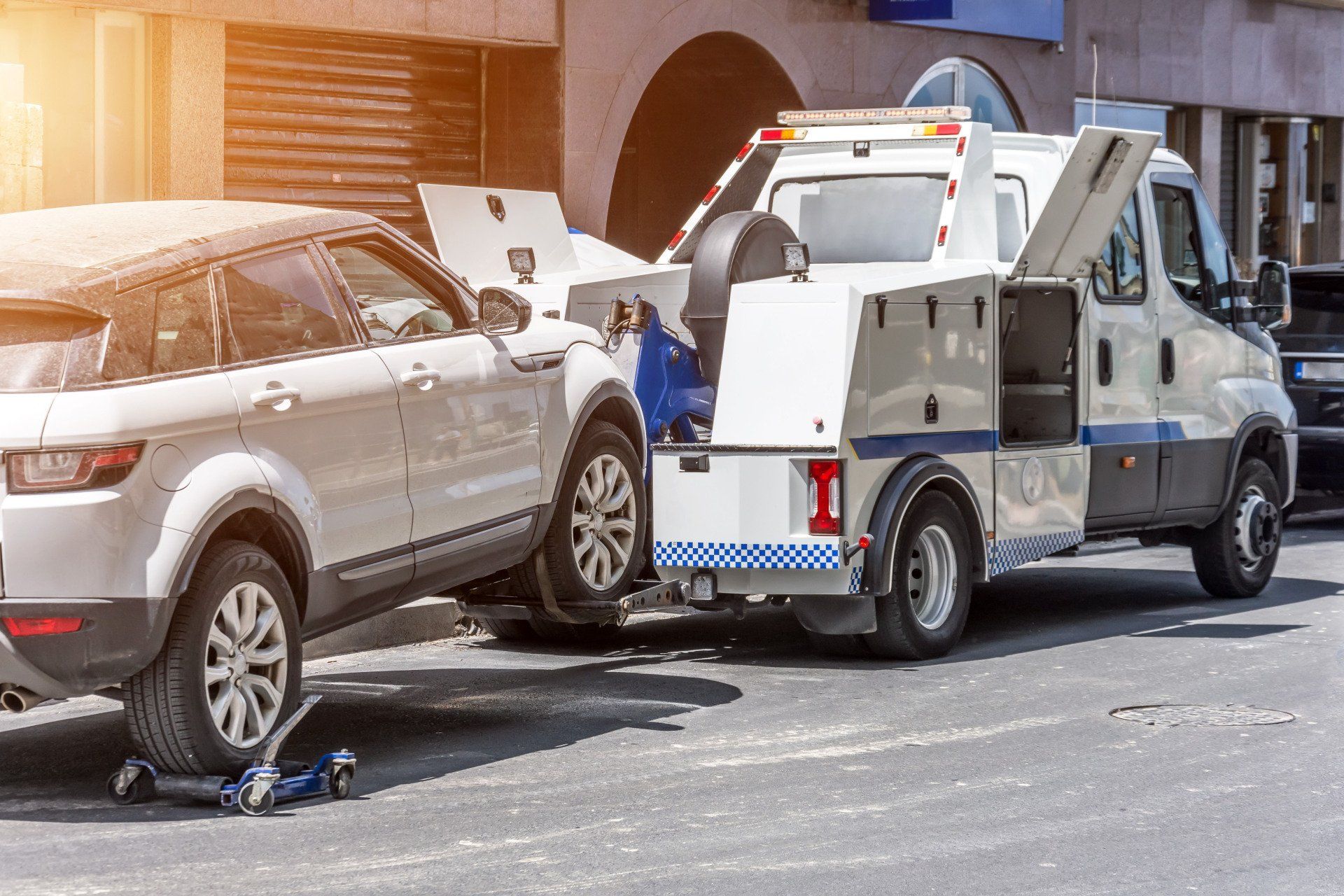
Flatbed transport trucks, for example, allow the entire vehicle to rest safely on a level platform during transit, eliminating tire wear, suspension strain, and drivetrain engagement completely. When wheel-lift equipment is utilized, specialized straps and soft cradles secure the tires without contacting the vehicle frame or body paint. Professional operators complete comprehensive safety inspections before moving a vehicle to ensure that safety chains, illumination lights, and tie-down points are correctly secured and fully operational. When you rely on trained specialists, auto towing is designed to safeguard your investment and deliver your car to its destination in the exact condition it was lifted.
3. Myth: Transport Equipment Requires No Routine Maintenance
Many vehicle owners assume that hitches, receivers, safety chains, and wiring harnesses are indestructible metal components that require zero attention once installed. This misconception can result in sudden equipment failure while hauling a trailer or secondary car down the highway. In reality, tow gear is subjected to extreme structural stress, constant vibration, moisture exposure, and heavy loads, all of which contribute to gradual wear and tear over time.
Regular inspection of all mounting hardware, hitch pins, and electrical connections is vital for safe highway travel. Rust and corrosion can weaken steel receivers, while electrical wiring can fray, causing brake lights and signal indicators to fail unexpectedly. Professional auto towing companies maintain rigorous inspection schedules for all structural components, hydraulic lifts, winches, and synthetic straps to guarantee peak performance during every service call. Vehicle owners who haul personal trailers should adopt a similar maintenance routine by lubricating receiver joints, inspecting weld points, and replacing worn straps regularly to prevent unexpected mechanical failures during travel.
4. Myth: Small Passenger Vehicles Cannot Be Safely Towed
A surprising number of motorists believe that compact cars, hybrid models, or low-clearance sports vehicles are too delicate or light to undergo transport safely. Some drivers worry that the frame of a compact car cannot handle structural tension or that low front bumpers will scrape during loading procedures. However, modern transport technology is fully adaptable to vehicles of every size, shape, and weight class. Customizable ramps and soft-rigging straps allow operators to secure delicate frames without putting stress on sensitive body panels. This ensures that even the sleekest sports cars and lightweight hybrids arrive at their destination completely unharmed.
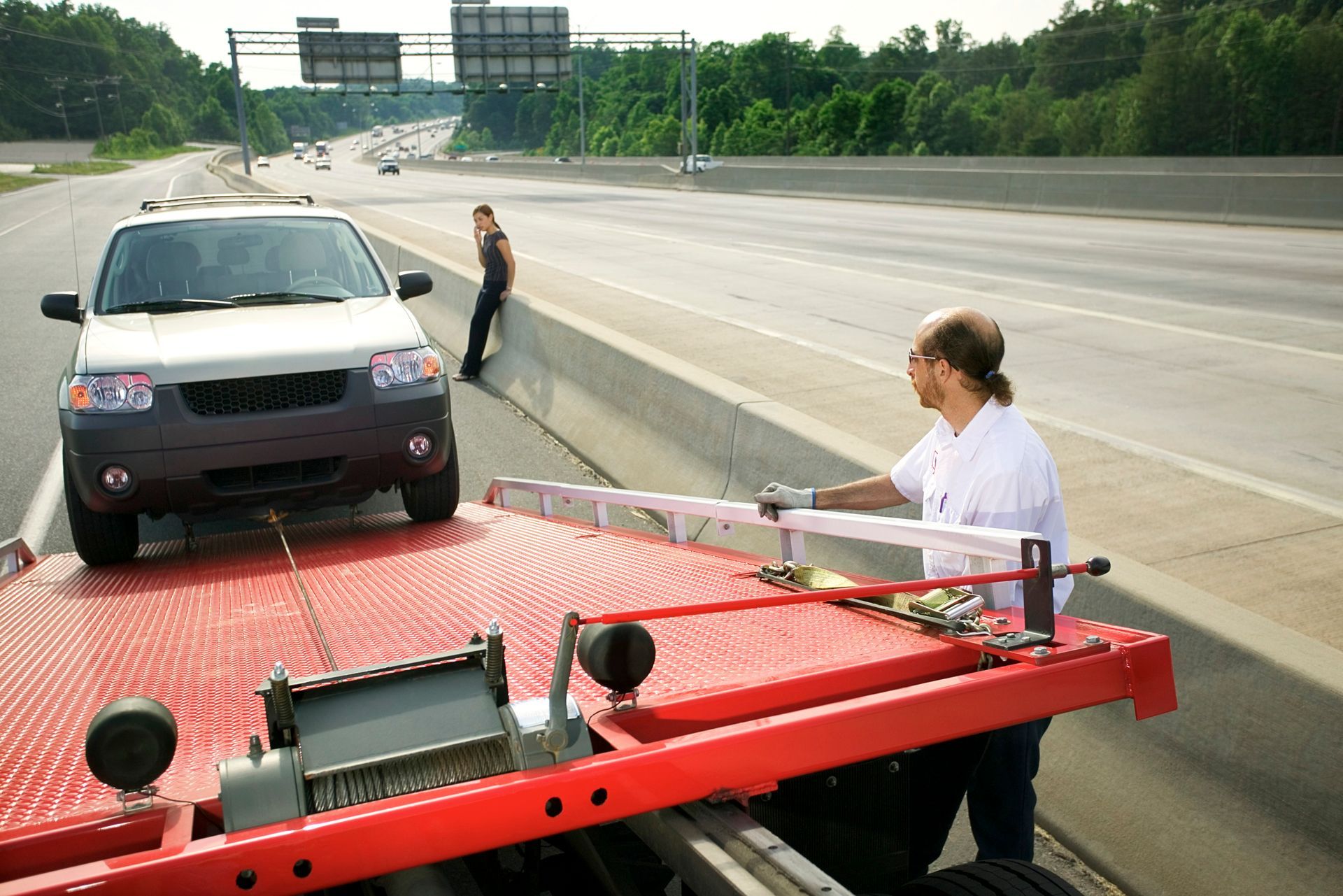
Flatbed transport beds can adjust their ramp angle to accommodate low-clearance sports cars without contacting the front splitter or undercarriage panels. Furthermore, specialized wheel straps secure compact vehicles by their tires rather than applying force to structural suspension arms or fragile frame points. Operators who offer auto towing utilize specialized ramps, wooden blocks, and adjustable winch systems to ensure smooth loading for compact and electric vehicles alike. No matter the dimensions of your vehicle, modern transport solutions are available to move it securely without compromising its structural integrity or body components.
5. Myth: All Vehicle Transport Methods Are Identical
It is common for drivers to assume that moving a disabled vehicle simply involves hooking a cable to the front bumper and pulling it behind another truck. In truth, different drivetrain configurations require distinct transport methods to prevent severe mechanical destruction. For instance, flat-towing a four-wheel-drive or all-wheel-drive vehicle with its wheels on the ground can completely destroy the transfer case and transmission because the internal components are not receiving proper lubrication while the engine is off.
Front-wheel-drive vehicles require different handling than rear-wheel-drive automobiles, and electric vehicles often demand total wheel elevation to prevent magnetic resistance within the electric motors. Experienced operators evaluate the specific make, model, and drivetrain configuration of each vehicle before deciding whether to utilize a flatbed, a tow dolly, or wheel-lift equipment. Choosing the correct approach ensures that mechanical components remain entirely disengaged and protected throughout the trip. Standard auto towing protocols guarantee that every vehicle receives a transport solution tailored precisely to its mechanical specifications.
Separating facts from fiction allows drivers to make smart decisions when faced with unexpected vehicle trouble on the road. Knowing how weight ratings work, how modern transport equipment protects your vehicle, and why specialized methods matter ensures that you can handle any roadside situation with complete peace of mind. Whenever mechanical issues arise, turning to qualified professionals eliminates guesswork and keeps your vehicle safe from harm during transport. Taking the time to understand proper vehicle care helps you protect your automotive investment and avoid major mistakes during emergencies on the road.
If you are ready for prompt, dependable roadside assistance, contact us at Dugonz Towing today. We will help you transport your vehicle safely and efficiently wherever you need to go. Our team is fully equipped to handle all your auto towing needs with care, precision, and state-of-the-art equipment.
Share On: